

Data centers are becoming more powerful, more compact, and more important to everyday business operations. Modern processors are designed to deliver exceptional performance, but they also create concentrated thermal loads. If that heat is not removed efficiently, equipment can experience performance throttling, reliability concerns, and higher operating costs. This is why processor coldplates are now becoming part of long-term infrastructure conversations, especially in facilities planning for AI, high-performance computing, and dense server environments.
Table of Contents
- The Changing Cooling Needs of Modern Data Centers
- What Are Processor Coldplates?
- Why They Matter for Long-Term Planning?
- Key Design Considerations
- Processor Heat Mapping
- Material Selection
- Pressure Drop and Flow Control
- Server-Level Integration
- FAQs
- Why are processor coldplates important for data centers?
- How is a cold plate different from a traditional heat sink?
- Are liquid cold plates only useful for AI and HPC environments?
- What does direct to chip cooling mean?
- What should businesses review before adopting processor coldplates?
- Can this type of cooling support sustainability goals?
- Conclusion
The Changing Cooling Needs of Modern Data Centers
Data center infrastructure used to be planned around broad categories such as power availability, floor space, airflow, and network capacity. These are still important, but the rise of advanced processors has changed the cooling discussion. Processors used in AI, analytics, simulation, machine learning, and high-performance computing can operate under sustained load for long periods. This creates heat patterns that are more intense and less forgiving than many traditional enterprise workloads.
Companies such as CoolIT Systems have helped draw attention to how processor thermal profiles can guide cooling design. Their coldplate technology discussion highlights the importance of mapping processor heat patterns, optimizing geometry, and integrating cooling into complete server-level systems. This reinforces a practical point for data center leaders: cooling must be designed around real hardware behaviour, not assumptions.

What Are Processor Coldplates?
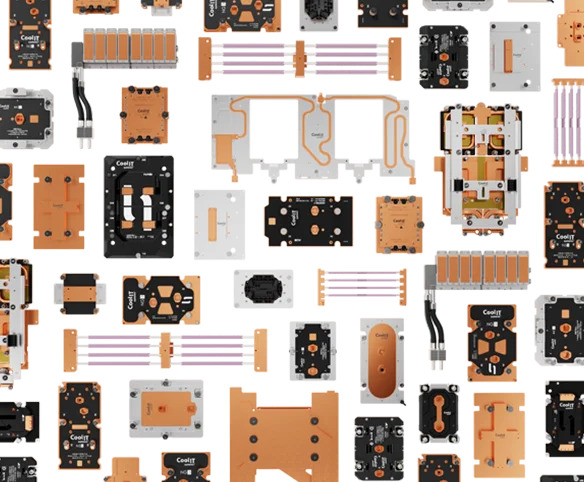
As the processor produces heat, the plate absorbs it and transfers it into the liquid path. Processor coldplates are engineered components designed to remove heat from CPUs, GPUs, and other high-power chips. They typically sit close to the processor and use internal channels to move coolant through the plate.
The design of a coldplate matters. Factors such as internal channel geometry, material selection, pressure drop, coolant compatibility, mounting pressure, and manufacturing quality can all influence performance. A well-designed system supports efficient heat transfer while maintaining reliability and serviceability.
Long-term planning is not only about solving today’s cooling problem. It is about building an infrastructure path that can support future hardware generations, changing workloads, energy goals, and business continuity expectations.
Why They Matter for Long-Term Planning?
Future Hardware Will Continue to Push Thermal Limits
Processor performance continues to increase, and future chips are expected to place more pressure on cooling infrastructure. Facilities that only plan for current heat loads may face expensive retrofits later.
Including coldplates in long-term planning helps teams think ahead. It allows decision-makers to evaluate rack density, coolant distribution, server layout, and facility readiness before heat becomes a limiting factor. A future-ready cooling strategy can support growth without forcing unnecessary redesign.
Thermal Reliability Supports Business Continuity
Heat-related problems can affect uptime, hardware lifespan, and service reliability. When processors operate outside ideal thermal ranges, they may reduce performance to protect themselves. In more serious cases, poor cooling can contribute to equipment stress or unexpected shutdowns.
Processor coldplates help reduce this risk by supporting more direct and stable heat removal through direct to chip cooling technology. By transferring heat away from critical processors at the source, these solutions improve thermal efficiency and system reliability.
Efficiency Becomes More Important as Facilities Scale
Cooling energy can represent a meaningful part of data center operating costs. As facilities grow, inefficient cooling can become a long-term financial and environmental burden. A coldplate-based design can support more efficient heat transfer when engineered correctly. By capturing heat at the source, the system may reduce dependence on excessive airflow and support improved thermal control across dense equipment.
Efficiency also supports sustainability planning. Many Canadian organizations are working toward responsible energy use, lower waste, and better environmental reporting. Cooling choices can contribute to these goals when they are based on evidence, proper design, and realistic performance expectations.

Contact CoolIT Systems today to plan smarter processor cooling for a stronger, future-ready data center.
Key Design Considerations
Processor Heat Mapping
Every processor has a unique thermal profile. Some areas of a chip may generate more heat than others, and those patterns can change depending on workload. Effective cooling design starts with understanding where heat is produced and how it moves.
Processor heat mapping helps engineers create cooling paths that match the chip’s real thermal behaviour, improving performance and reducing the risk of uneven cooling across Canada’s growing network of data centers and high-performance computing environments.
Material Selection
Material choice plays a major role in thermal performance. Copper is often used because it transfers heat effectively. However, the best solution depends on more than conductivity. Designers must also consider corrosion resistance, coolant chemistry, weight, manufacturability, pressure requirements, and long-term durability.
A high-quality coldplate should balance heat transfer with practical deployment needs. In long-term infrastructure planning, reliability and maintainability matter as much as peak performance.
Pressure Drop and Flow Control
Cooling systems must move coolant efficiently. If a design creates too much pressure drop, pumps may need to work harder, and overall system performance may suffer. If coolant flow is uneven, some components may receive less cooling than needed.
Flow control must be planned carefully at both the component and system level. This includes the plate, tubing, manifold, distribution system, facility-side cooling infrastructure, and even specialized industrial equipment that supports efficient thermal management and system performance.
Server-Level Integration
A processor cooling component does not operate alone. It must fit within the server layout, connect safely to the liquid loop, allow service access, and work with other cooled components. Poor integration can create maintenance issues and deployment delays.
CoolIT Systems emphasizes server-level integration and complete thermal coverage across processors and surrounding components. This is important because heat does not stop at the processor. Memory, storage, power components, and networking devices may also affect overall thermal planning.
FAQs
Why are processor coldplates important for data centers?
They are important because they help capture heat directly from high-power processors. This supports better thermal control, improved performance stability, and stronger long-term planning for dense server environments.
How is a cold plate different from a traditional heat sink?
A traditional heat sink usually transfers heat into air, often with the help of fans. A cold plate transfers heat into liquid flowing through internal channels. This can be more effective for high-density workloads where air cooling alone may struggle.
Are liquid cold plates only useful for AI and HPC environments?
No. AI and HPC are strong use cases, but liquid cold plates can also support enterprise data centers, cloud platforms, research facilities, and specialized computing environments. The decision depends on power density, heat load, reliability needs, and future growth plans.
What does direct to chip cooling mean?
Direct to chip cooling means coolant-based technology is used close to major heat-producing chips, such as processors or accelerators. The goal is to remove heat near the source instead of relying only on room-level airflow.
What should businesses review before adopting processor coldplates?
Businesses should review server power density, processor heat loads, rack design, coolant distribution, facility infrastructure, maintenance capabilities, monitoring needs, and long-term growth plans. A qualified technical assessment can help reduce risk.
Can this type of cooling support sustainability goals?
It can support sustainability goals when properly designed and integrated. More efficient heat capture may help reduce unnecessary cooling waste, but results depend on the full facility design, equipment, climate, and operating strategy.
Conclusion
Long-term data center planning must account for more than today’s equipment. Future workloads will likely require higher performance, greater rack density, and more precise thermal control. Facilities that delay decisions on cooling strategies may face higher retrofit costs, capacity constraints, or operational risks later.
Planning long-term data center growth or evaluating higher-density server deployments? Review your current cooling limits, processor heat loads, and future rack requirements with a qualified thermal infrastructure specialist. Search for CoolIT Systems on Google Maps and connect with the team through verified local listings.